top of page

Washington Native Bee Society


Landscaping Tips for Native Bees Inland Northwest / Spokane Region
Grow plants that are native to your area, because they provide the abundant, high-quality pollen and nectar that native bees need to survive and raise their young.

Diane Benson
Sep 84 min read


Where the Bees Lead
As climate change and habitat loss accelerate, our landscapes can become lifelines. Insects are resilient.
Collectively, our ecologically friendly landscapes can become safe havens, restoring not just biodiversity
but our connection to the natural world.

Kris Ethington
Sep 16, 20253 min read


Creating a Buzz for Change: The Vancouver Bee Project's Mission and Vision
The Vancouver Bee Project is leading the charge in conservation and education, fostering a community that cherishes and supports pollinators. From native plant seed libraries to school programs, our work revolves around one goal: building a pollinator-friendly future.
Ingrid Carmean
Feb 4, 20253 min read


Give credit where credit is due: Honey bees aren’t the only bees in the garden.
Solitary bees don’t make honey or combs of wax, but they are incredibly creative when it comes to building nests. Remarkably, over two-thirds of solitary bees nest underground. Mining bees and digger bees are good examples. These small insects that we typically see in flowers also dig burrows that can range from a few inches to several feet deep.

Julie Banken
Jan 9, 20254 min read


The first native bees of spring
Digger bees (genus Anthophora) are often the first native bees to be found in a Seattle spring.

iNat user eebee
Mar 12, 20233 min read


What You Can Do for Pollinator Week - 5 Favorite Plants to Try
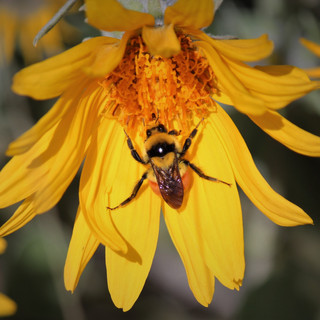
So how to celebrate? Hands down (preferably in some dirt) the very best thing you can do for Pollinator Week and pollinators in general is to plant flowers. You can start as small as a plant and a single square foot in your yard, or similarly sized round planter pot. Every flower adds a little more forage for bees and other pollinators such as butterflies, moths, flies, beetles and birds. If everyone would just add one flower, think of the habitat connectivity we could bui
Lisa Robinson
Jun 21, 20225 min read


The BeeVesting Pollinator Garden
Human environments offer too little for our bees. The loss of habitat caused by development and monoculture-dependent agriculture is contributing to the decline of native pollinators. Floral resources are reduced, nesting grounds are limited, and wild spaces are increasingly segregated from one another. To help increase habitat and floral resources for our bees, we need more ‘pollinator pathways.’ By planting more native and pollinator-friendly plants in our gardens, pots, pa

Kevin Sander
Feb 23, 20213 min read
bottom of page