
Washington Native Bee Society
The bees of Washington

Mining Bees
Genus Andrena
Mining bees of the genus Andrena are among the most diverse and abundant native bees in Washington state. These solitary bees are named for their ground-dwelling habit of digging small burrows in sandy or loose soil for their nests. As important early-season pollinators, they visit a variety of flowers, including agricultural crops such as apple and cherry trees, and many native plants such as willows.

Andrena are found throughout the state, especially during springtime. About 109 species have been recorded in Washington.
Mining bees are solitary, ground-nesting bees. Often mistaken for honeybees
Season: Vast majority are spring bees found March - June. A few species are found in summer and fall
Habitat: Nests in areas with bare or semi-bare soil, garden beds, and in a multitude of habitats throughout the state
Similar species: Often mistaken for honeybees (Apis mellifera), and cellophane bees (Colletes spp.),
What
Mining bees are common solitary ground-nesting bees. Often mistaken for honeybees.

When
Vast majority are spring bees found March-June. A few species found in summer and fall.

Where
Nests in ground nests in soil, found in a great diversity of habitats throughout the state

How to find
Areas with bare dirt and morning sun. Can be found on many flowers, and especially on willows and laurels
First impressions
The first solitary bee you see during the winter thaw and the not-a-honeybee of springtime. Usually earth-toned hairy bee with a friendly look on their faces, resembling E.T. Some can be subtly flashy, like old money. Others masquerade as bumblebees or mason bees. Don't be fooled. Looks surprisingly beautiful when visiting wild roses. Quietly everywhere from March to June. Then sparse or absent. The bee you see flying into your lawn.
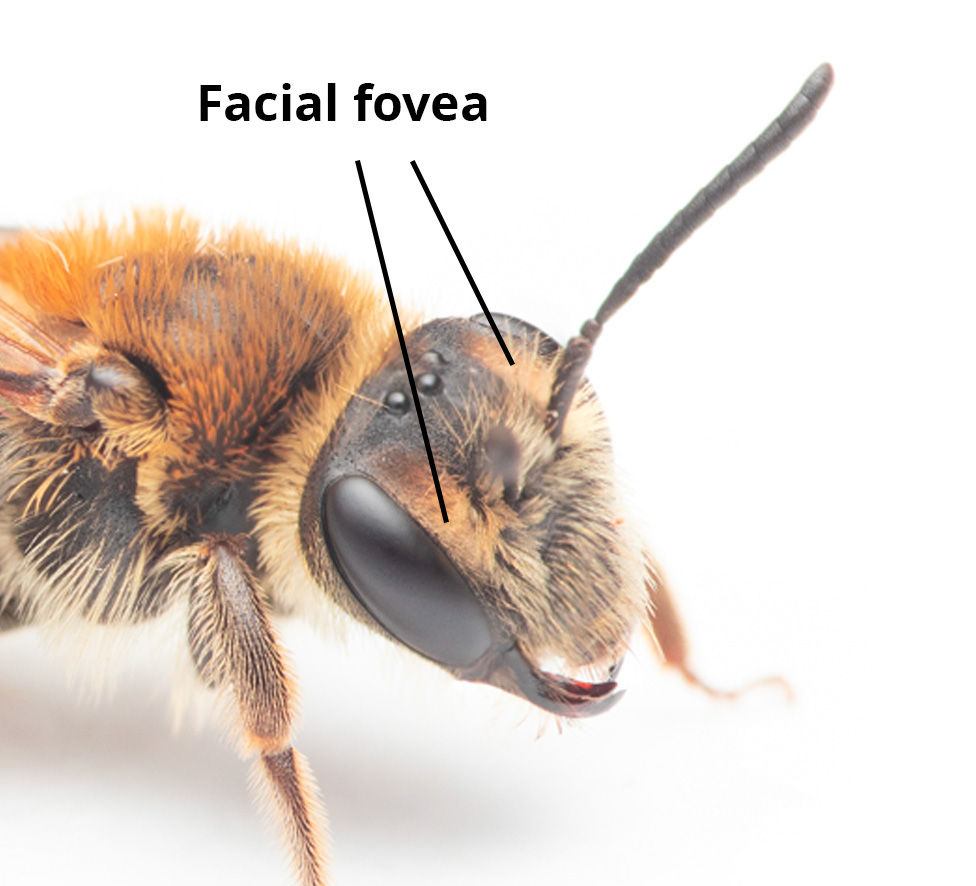
Facial fovea
Add paragraph text. Click “Edit Text” to update the font, size and more. To change and reuse text themes, go to Site Styles.
Scopae on hind legs
Add paragraph text. Click “Edit Text” to update the font, size and more. To change and reuse text themes, go to Site Styles.
Heading 4
Add paragraph text. Click “Edit Text” to update the font, size and more. To change and reuse text themes, go to Site Styles.
Heading 4
Add paragraph text. Click “Edit Text” to update the font, size and more. To change and reuse text themes, go to Site Styles.

Favorite Flowers
Andrena often favor the flowers of woody trees and shrubs, which are in abundance in the springtime.
Popular native woody plants include:
-
Twinberry
-
Pacific ninebark
-
Wild roses (nootka, etc.)
-
Vaccinium spp.
-
Ocean spray
-
Thimbleberry
Popular ornamental woody plants include:
-
European mountain ash
-
Portugese cherry laurel
-
English laurel
-
Cherry trees
-
Japanese roses
-
Pyracantha (sterile varieties only)
Popular herbaceous non-native plants:
-
Dandelions
Popular herbaceous native plants
-
Sea blush Plectritis congesta
-
Microseris spp.
-
-


ID tips
Facial fovea
Shallow depressions with light-colored hair on the inner edge of the compound eyes give Andrena bees their characteristic "eyebrowed" appearance.
Carries pollen on legs
The female mining bee will collect pollen from the flowers she visits to bring to her nest. She stores the pollen in the dense hairs of the upper section of her hind legs. From a distance, this can appear like large colored smudges on the bee's flanks.
Nests in the ground
Truly living up to their name, the mining bee spends a good part of her life digging tunnels where she will provision the development of the next generation. One can often find these tunnels in places with bare ground, lawns kept in more natural conditions, and often in the soil under garden plants.
Most often found in springtime
Mining bees of the genus *Andrena* are among the most diverse and abundant native bees in Washington state. Known for their solitary nesting habits, these ground-dwelling bees dig small burrows in sandy or loose soil, where each female constructs and provisions her own nest. With over 1,500 species worldwide, *Andrena* bees are important early-season pollinators, often emerging in spring to visit a variety of flowers, including many native plants. Though generally non-aggressive and rarely noticed, their role in pollination is crucial for the health of local ecosystems.
